The challenge
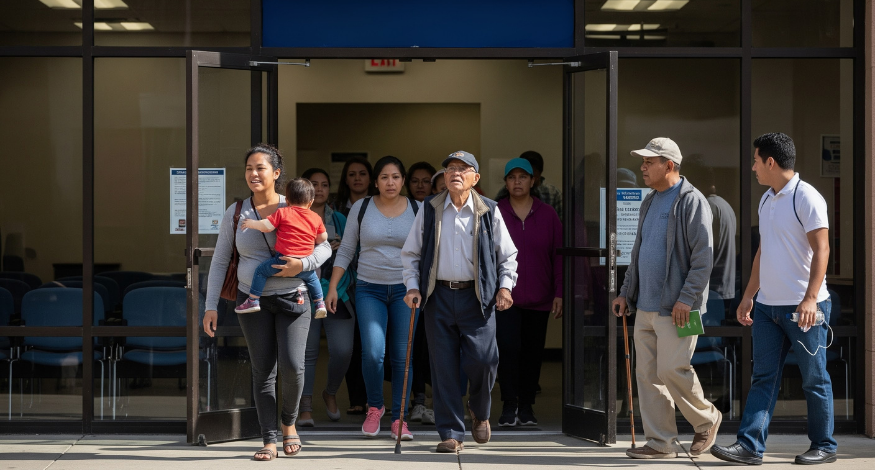
H.R. 1 expands SNAP work requirements to include people aged 18 - 64. The law also removes exemptions for veterans, people experiencing homelessness, former foster youth, and people in areas with high unemployment. This means that states must now verify work, volunteer, or education participation for millions more people nationwide.
Agencies spend 50%+ of their time helping able bodied adults without dependents (ABAWDs) and face a high operational burden: more incomplete documentation, more repeat outreach, and more cases stuck pending.
On top of managing a higher caseload, the cost of errors is going to increase. States who exceed the 6% SNAP federal payment error rate now face cost-sharing penalties which can translate into millions of dollars to continue operating their program.
What we deployed in Mississippi in 8 weeks
We deployed a purpose-built module in PromiseBenefits in Mississippi in just under 2 months. Developed with support from the Public Benefits Innovation Fund (PBIF), Promise powers fast, efficient H.R. 1 work requirement compliance.
Fast, plug-and-play data integration
Our quick, plug-and-play integration into the state system requires no new logic and no disruptions to the Integrated Eligibility System. This enables real-time visibility into households who are already meeting hours or income thresholds.
Microtargeted outreach
Multi-channel and hyper targeted approach ensures we reach the exact person who needs to provide proof, even in households with multiple ABAWDs.
AI-powered document "coach" for applicants
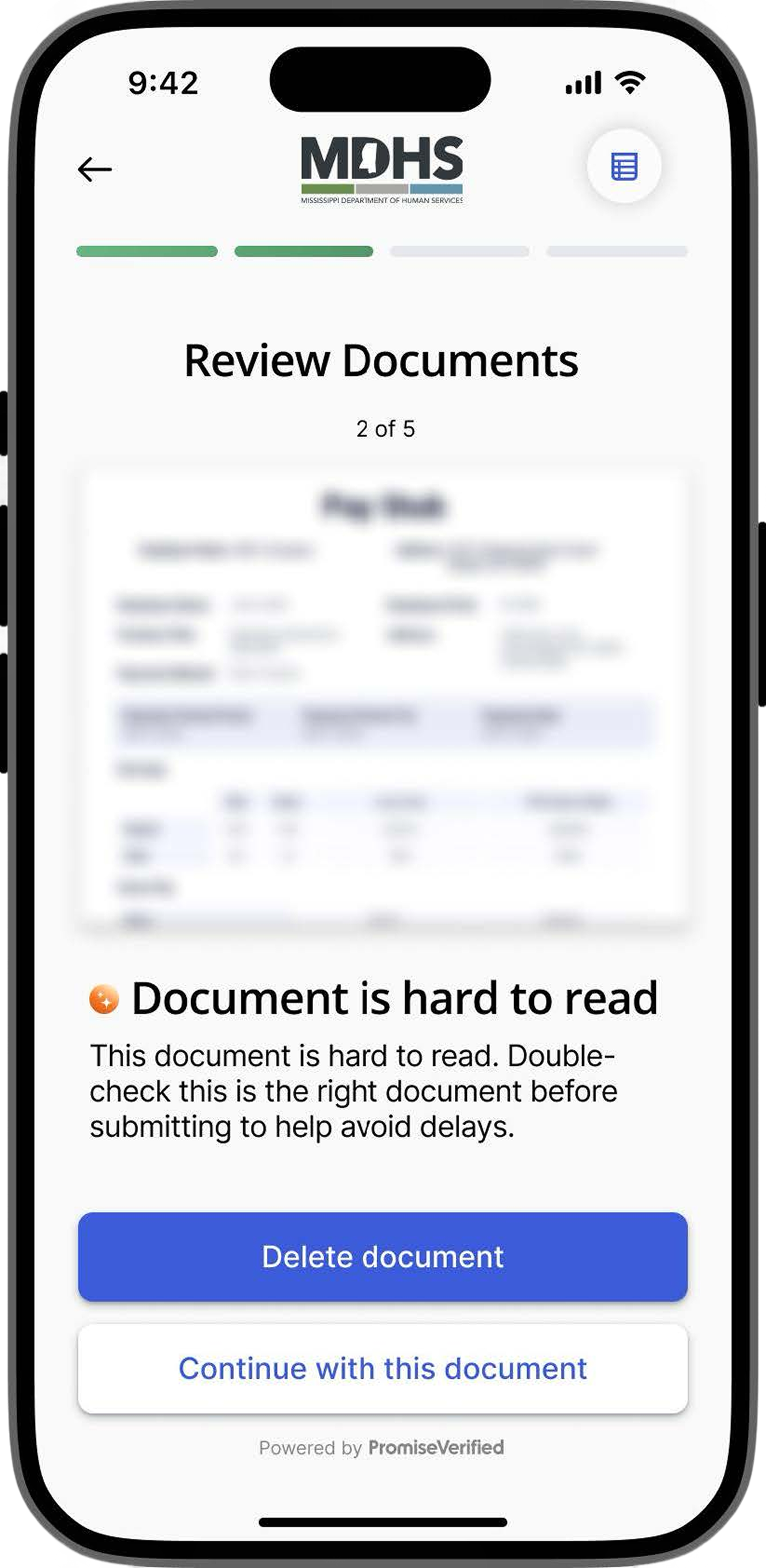
AI-powered guidance checks document quality instantly, alerting applicants to missing pages, illegible text, or incorrect document types before submission to state systems.
The results
Why it matters
For ABAWDs
- Submit proof of work, education or volunteering in minutes vs needing to mail documents.
- Reduce repeat office visits.
- Receive immediate feedback on document quality.
For Caseworkers
- Hours of work returned to front-line staff.
- Less time chasing missing documentation.
- More time for complex eligibility questions.
For States
- Less caseworker overhead.
- Fewer correctable application errors.
- Improved payment accuracy metrics.
With federal policy changes creating new administrative pressures, states need tools that reduce burden on both families and staff while maintaining program integrity. Our pilot demonstrates that technology can achieve operational efficiency without shifting compliance complexity to applicants or caseworkers.